Addiction Treatment Texas: Mobile Apps and Digital Devices for Healing
On a suffocating afternoon in San Antonio, a client ended up a shift on the Northside and walked to his car. Before taking out, he opened a healing application, logged a food craving, and struck a two minute grounding workout. That tiny time out, absorbed the shade of the parking lot, pushed his day back on course. This is the texture of modern addiction treatment in Texas. Phone in pocket. Care in reach. The human job of healing, supported by simple, purposeful technology.
Texas extends large, and so do the gaps people have to cross to locate aid. Waitlists in capital Nation can run weeks. Bexar County has solid https://jaredtrfp808.clearhavendigest.com/posts/san-antonio-s-ideal-area-resources-for-post-treatment-healing inpatient and outpatient options, yet not everyone can leave work or childcare to appear face to face 3 days a week. Out in the Rio Grande Valley and the Panhandle, range and transportation turn every appointment right into a half day dedication. The risks of these obstacles are clear enough. Missed out on brows through snowball. A gap, then a longer stretch away from care. Digital tools were never ever a cure, but they can develop a lot more doors, open up more frequently, for even more people.
What phones can reasonably add to addiction care
When medical professionals talk about "electronic wellness," we are not simply referring to attractive attributes. The devices that often tend to assist the most are normally ordinary. A nudge to take buprenorphine in a timely manner. A tap-to-join web link for a digital group. Short cognitive behavior modification workouts that fit in between obligations. A very discreet conference finder within a couple of miles of the Alamo Dome before a late shift. The innovation works when it minimizes friction, builds abilities, and tightens the loop between an individual and their healing team.
It likewise has restrictions. No app replaces a physician that can diagnose, adjust drug, and handle medical or psychiatric complexity. No press notice talks someone with a panic spike at 2 a.m. With the exact same warmth as a relied on therapist. Unsupervised detoxification can be hazardous. Family members systems work, trauma therapy, and co-occurring disorders still call for experienced human beings. The art is in blending both, not selecting one over the other.
The current landscape in Texas
Texas has actually invested in telehealth infrastructure, specifically since 2020, and many addiction centers continue to use virtual sessions. In larger city locations such as San Antonio, Houston, and Dallas, outpatient programs now utilize mixed versions that combine in-person and digital gos to. In rural counties, phone-only and video clip visits have actually become a lifeline. Medicaid and lots of industrial plans acknowledge telehealth for material usage disorder services when medically proper, though protection varies by plan and region.
On the ground, I see three patterns across the state:
- People in cities use applications to string treatment right into jampacked days. One San Antonio mother signs up with digital IOP on her lunch breaks and coatings homework modules after bedtime.
- People in backwoods utilize telemedicine to link to addiction physicians for medicines and periodic check-ins, avoiding hours of driving.
- People with unsteady schedules, such as oilfield workers near the Permian Container or service employees along I-35, lean on smart devices for micro-interventions, schedule sychronisation, and quick help throughout travel.
Each pattern brings various risk factors, from personal privacy in your home to cell insurance coverage to prescription logistics. The right digital setup prepares for those edges.
Categories of mobile and digital assistances that in fact help
Daily recuperation support applications. These are the journaling, food craving tracking, and skills practice devices. They hold fast components on triggers, distress tolerance, and values work obtained from CBT and DBT. The best ones are silent and reputable. They conserve entries locally when offline, lots in a second, and do not toss advertisements into susceptible moments. They can export summaries that an individual can share with their therapist when ready.
Telemedicine and medicine management. For opioid use problem, drugs like buprenorphine and methadone reduce overdose risk and improve retention in treatment. Texas regulations allow buprenorphine initiation and follow-up by telemedicine under certain problems. Digital medication sees, e-prescriptions to neighborhood drug stores, and simple adherence tools like timed pointers and re-fill schedules make a quantifiable difference. If you survive on the South Side of San Antonio and function 2 tasks, not needing to spend 90 minutes in website traffic for a 20 minute check-in is no tiny thing.
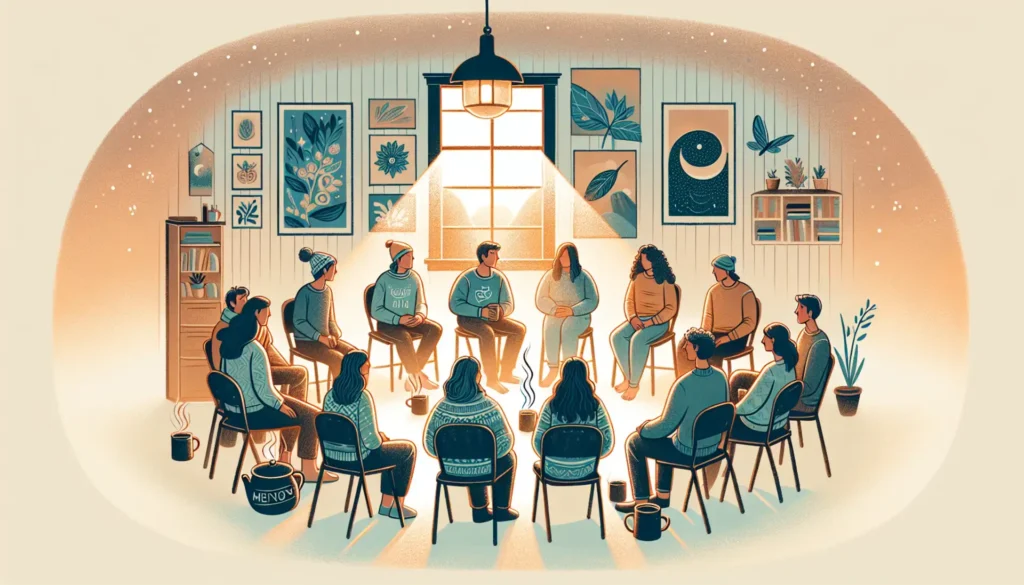
Community and common aid platforms. Not every person desires a camera-on team. Some like text-first areas, moderated discussion forums, or validated teams that fulfill on encrypted systems. Digital meeting finders for AA, NA, SMART Recovery, Haven Recovery, and Commemorate Recuperation can be filtered by time of day and language. Lots of groups around Bexar Area message crossbreed choices, so a person can try a conference virtually prior to strolling in later.
Contingency monitoring provided by app. Incentives for conference recuperation goals, supplied as little gift cards or credit reports, are among one of the most evidence-supported behavior tools in addiction treatment. While insurance coverage stays erratic, programs piloting electronic contingency administration in Texas see greater presence and even more adverse medicine displays throughout the energetic reward phase. Transparency issues right here. The requirements need to be clear, the benefits small, and the privacy defenses strong.
Crisis and safety devices. A one-tap course to 988, a neighborhood warmline, or a center's on-call number can quit damage from compounding. Overdose education and learning and naloxone locator functions are significantly usual. In San Antonio, drug stores and area teams routinely disperse naloxone at little or no charge; an app that maps these sites in real time can conserve mins that matter.
Family and ally tools. Applications that instruct craft-informed communication, limits, and regression response preparation help families line up with treatment groups. A dad in Leon Valley may not require to know daily information, yet he benefits from short, sensible lessons on exactly how to establish assumptions and support drug adherence.
Wearables and psychophysiological feedback. The promise below is earlier warning of stress and anxiety tons, sleep financial debt, or physical stimulation that predicts cravings. The information can be loud and not everyone suches as tracking. But for a subset of individuals, a mild resonance to take a breath, or a seven day sleep fad, acts like a weather report. It does not tell you whether to go outside, however it does suggest you bring an umbrella.
What the evidence supports, and what it does not
The study on digital devices in addiction treatment is big and uneven. A couple of factors hold up throughout evaluations:
- Digital CBT programs for material usage reveal tiny to modest advantages, particularly when integrated with medical professional support.
- Contingency management has durable proof in several compounds. When delivered via apps, outcomes resemble in-person programs if checking honesty is maintained.
- Text message supports can lower gap days and boost consultation adherence, though impacts vary with customization and frequency.
- Telemedicine for buprenorphine is associated with retention and adherence prices similar to in-person treatment when clinical framework is sound.
Where proof is weaker: standalone, unguided apps that assure to change treatment. Game-like functions without clinical framework rarely translate to enduring modification. Claims of biometric food craving discovery must be treated carefully unless validated in transparent research studies. A practical rule is to favor devices that make it much easier to do what you already recognize jobs, instead of tools that declare to develop a brand-new path.
A week of genuine use, stitched from Texas lives
Monday evening in San Antonio, an individual in very early recovery from alcohol usage disorder completes a dining establishment shift. He tips outside the back entrance, sees coworkers illuminate, and feels the pull. He opens his app, runs a three minute impulse browsing audio, and messages his peer train, that replies ten minutes later with simple appreciation and a strategy to hit a noontime fulfilling the following day near Woodlawn Lake.
Tuesday morning in Lubbock, a mommy balancing child care joins a telemedicine visit in her minivan. She verifies her buprenorphine dosage is stable, shows her rest log, and sets a tip to grab refills at 5 p.m. The facility portal pings her when the prescription removes. She screenshots the QR code to speed up pickup.
Wednesday in the Rio Grande Valley, a pupil that prevents telephone call uses a chat-based support system to divulge a lapse. The instructor helps her map the sequence, select one button for following time, and messages her a small checklist she pins to her lock screen.
Friday near Corpus Christi, a worker on a variable routine utilizes a contingency management app to submit proof of treatment participation. He earns a small benefit, which he places toward gas. The app advises him to reorder naloxone prior to a long weekend.
None of these moments are significant. The job is recurring and moderate, which is exactly how routines harden.
Choosing devices that respect your personal privacy and your goals
The app shops are crowded, and quality varies. To keep points concrete, right here is a brief checklist that patients and clinicians in Texas find useful when evaluating options.
- Evidence and transparency: Does the app mention the scientific techniques it makes use of? Are there references to peer-reviewed studies or established therapies like CBT, DBT, or backup monitoring, without overpromising?
- Data privacy: Exists a clear, legible personal privacy plan? Are data shared with third parties for marketing? Can you erase your data? SUD information can be added delicate under 42 CFR Component 2 rules.
- Integration with care: Can you export a recap to your therapist or medical professional? Does the application play perfectly with your center's telemedicine platform instead of dealing with it?
- Cost and invoicing clearness: Exists a cost-free rate that is in fact beneficial? If it is registration based, can you terminate in-app? Exist concealed charges around costs content?
- Fit with your day: Does the application lots rapidly on your device and work offline when needed? Are alerts quiet and adjustable? Does it can be found in Spanish or offer multilingual web content if that issues to you?
If a device discovers two or even more of these, maintain looking. Much better to have one or two strong applications you utilize daily than six you ignore.
The San Antonio picture
Addiction therapy in San Antonio has appearance. Public centers, VA solutions, faith-based programs, and exclusive practices overlap in a way that offers people selections. College Health provides SUD solutions, and the VA, with its solid existence, often leads on integrated psychological health and addiction care for veterans. Numerous methods below took on telehealth very early and kept it because it works for working families.
Local variables form digital choices. Warm drives more interior time for much of the year, so digital teams scheduled at lunch or late night see solid attendance. Bexar Area's varied population makes multilingual material not optional. For people on the South or West Side with erratic broadband, apps that function on low bandwidth or with offline caching stand out. Incorporating SMS reminders for bus timetables or trip share vouchers can shut the loop for those who depend on public transit.
If you are piecing together addiction treatment in San Antonio, assume in layers. A doctor or center for medication and clinical oversight. A counselor or group for abilities and link. One primary application for day-to-day assistance and one communication channel to your group. Not ten. Not zero. Enough to reinforce the work without developing noise.
Setting up your phone for recovery
This part appears fundamental, but it conserves pain. Silence nonessential notifications throughout therapy hours and meetings. Keep healing applications on the initial display, not concealed in a folder where they gather dirt. Add the 988 Suicide and Situation Lifeline to faves, in addition to your facility and one trusted person. Set medicine alarm systems to carefully duplicate, with tags, so you can act without assuming. If your phone sustains Focus modes, produce a Recovery mode that allows phone calls from assistance calls and obstructs the rest.
People commonly bother with privacy when they deal with others. Use app-specific passcodes if provided. Turn off message previews on the lock display. If a common Apple ID or Google account means your downloads show up somewhere else, switch over to your own account before mounting healing tools.
Integrating electronic tools into professional care
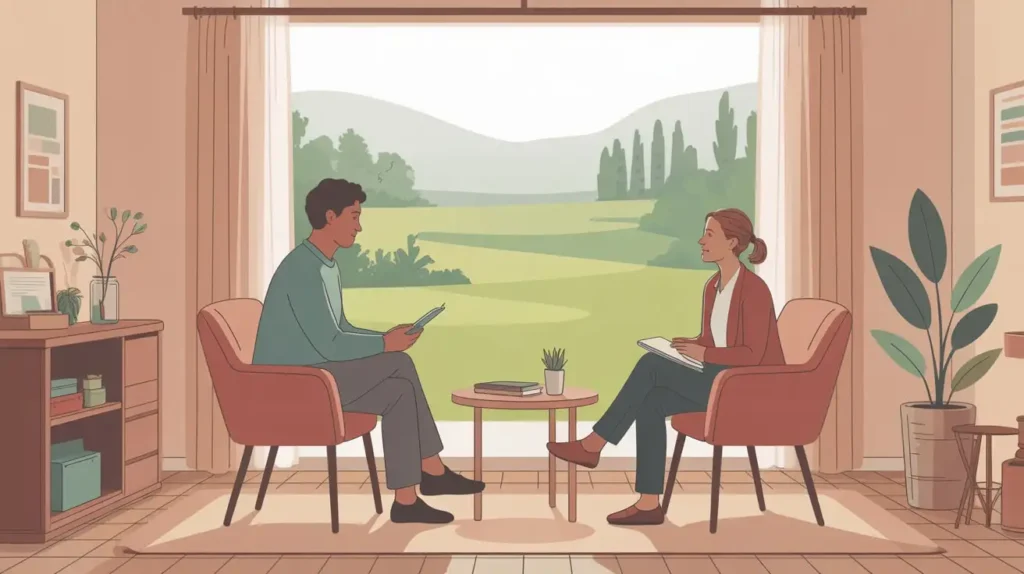
From the clinician side, assimilation is not automatic. If an individual brings application data to a session, ask what patterns stand apart to them rather than diving into graphes. Let them lead. If you use remote monitoring for drug adherence or breath alcohol checks, established expectations in composing. Determine with each other just how usually to evaluate digital information and what will certainly cause an out-of-cycle telephone call. Small, consistent usages beat occasional deep dives.
For telemedicine, take on boring, protected platforms that introduce in a tap and prevent managing logins. Send links by SMS and email, 5 mins prior to session begin. In multilingual setups, utilize interpreters that can sign up with digital areas without rubbing. Train front desk team to troubleshoot camera and microphone approvals. If your clinic offers probationers or parolees, clarify what information you do and do not show to overseeing agencies, and placed it in consent kinds that people can actually read.
Texas regulation acknowledges the increased privacy of SUD documents under government guidelines. Several direct-to-consumer applications are not covered entities under HIPAA, which indicates their personal privacy obligations vary. When facilities prescribe or advise applications, they must vet information methods and be specific concerning boundaries.
Paying for digital care without damaging your budget
Costs build up quietly. A cost-free application becomes 9.99 a month after 7 days. A telehealth system tacks on a convenience fee. Right here are functional means Texans keep prices in line:
Leverage insurance policy for scientific solutions. Telemedicine visits with licensed clinicians for treatment or medicine are usually covered the same as in-person visits, with common copays. Ask centers up front regarding self-pay discount rates for virtual care.
Use HSA or FSA funds for eligible services and devices. Not every subscription certifies, yet brows through, recommended gadgets, and some remote surveillance fees can.
Prefer area programs with electronic arms. Numerous common aid teams and nonprofits use no cost apps, message supports, or on-line groups. In San Antonio, churches and recreation center regularly hold hybrid meetings without fees.
Take benefit of Lifeline and Affordable Connectivity Program benefits if eligible. An affordable strategy can make telemedicine possible. Town library in Bexar County likewise offer personal rooms and Wi-Fi, which clients use for appointments when home is not private.
If you do pick a paid recuperation application, start monthly, not annually. This way you can pivot if the fit is poor.
Equity, language, and the electronic divide
Digital tools can broaden gaps when made for ideal customers on fast networks. Facilities in Texas that prosper with technology adapt to their individuals. They select user interfaces that operate on older Android phones. They support Spanish and English material. They pair patients with navigators who can set up apps during intake, not as an afterthought. They do not think every person fits on video clip. They maintain phone-only choices on the table.
Trauma is common in the histories of individuals with material use conditions. Products that require consistent self-monitoring can really feel intrusive for some. Deal alternatives that construct company without monitoring. Invite comments. Ask what really feels encouraging and what seems like a tripwire.
Red flags that a recovery app might do even more harm than good
- Vague or missing privacy policy, or language that allows information sharing for marketing or analytics without clear limits.
- Claims to diagnose, deal with, or cure addiction without medical professional involvement, or promises of ensured success.
- Pressure techniques such as constant upsells, countdown timers, or shaming messages when objectives are missed.
- No means to export your information or delete your account, and no visible client assistance channel.
- Confusing rates, totally free tests that transform without notification, or paywalls around standard safety features.
If you identify 2 or even more of these, go back. There are much better options.
Where public health fulfills the phone in your hand
Overdose danger has actually moved in the last few years, with artificial opioids and polysubstance make use of complicating the picture. Prompt info saves lives. Texas health and wellness divisions and damage decrease teams distribute notifies when a local supply is contaminated. Apps that pass on verified alerts and straight individuals to naloxone or fentanyl test strips minimize unseen areas. In San Antonio, several area organizations run text based outreach lists that do the very same deal with low tech reliability.
On the avoidance side, institutions and universities in the area have actually begun piloting electronic testings and referrals that fulfill students where they hang out. Short, verified sets of questions provided by phone can flag danger early and link pupils to campus counseling or neighborhood resources without stigma.
The path ahead, without hype
We are not headed to a future where a wristband runs your recuperation. The even more trustworthy vision is normal. The phone gets a little smarter concerning your day. The facility go to starts on time because the web link functioned. The group is full sufficient due to the fact that people can join from the kitchen area table. The app recommends a 3 min workout before a risky hour, and you have exercised enough to attempt it. You still require your team. You still require your reasons. Yet the harsh sides are fined sand down.
For Addiction treatment texas to operate at scale, 3 ingredients matter: gain access to, trust fund, and fit. Accessibility implies data transfer, gadgets, and insurance coverage. Count on grows from clear personal privacy promises and devices that behave. Fit originates from tailoring to San Antonio's rhythms, to the Valley's distances, to Houston's change work, to the Panhandle's thin coverage. It is local. It is personal.
If you are picking your next step, maintain it basic. Pick one medical professional or center you trust fund, personally or virtual. Add one everyday assistance app you will really open. Map 2 meetings you can get to in a pinch, one online and one near where you live or function. Share your plan with someone who will check in. After that run the prepare for 2 weeks and readjust. That is the job. Not ideal, however practiced.
The car park will still be hot at 3 p.m. The pull will certainly still come in some cases. With the appropriate blend of human care and electronic tools, you will certainly have something you can reach for that fits your hand. That is enough to make tomorrow much easier than yesterday.